

Light Steel Rail for Mining & Industrial Track Systems
GNEE RAIL supplies light steel rail for mining, industrial material handling and specialized track systems. Common applications include mine cart tracks, underground haulage, factory transfer cars, steel plant transport and temporary construction tracks.
Common DIN 5901 S-series profiles include S10, S14, S18, S20, S24 and S30. Q235B, 55Q and other specified steel grades can be supplied according to the applicable specification. Rail can also be supplied in required lengths and prepared with drilling, bending or other machining according to approved drawings.


Specification
|
Q235B |
Mechanical property |
Chemical composition (%) |
|||||||||
|
Yield strength |
Tensile strength |
Elongation |
Hardness |
C |
Si |
Mn |
S |
P |
|||
|
MPa |
kg/mm² |
MPa |
kg/mm² |
min |
HB |
≤ |
≤ |
≤ |
|||
|
≥ |
≥ |
||||||||||
|
235 |
24 |
375-460 |
38-47 |
26% |
|
0.12-0.22 |
0.35 |
0.30-0.70 |
0.045 |
0.045 |
|
|
55Q |
Mechanical property |
Chemical composition (%) |
|||||||||
|
Yield strength |
Tensile strength |
Elongation |
Hardness |
C |
Si |
Mn |
S |
P |
|||
|
MPa |
kg/mm² |
MPa |
kg/mm² |
min |
HBW |
|
≤ |
≤ |
|||
|
≥ |
≥ |
≥ |
≥ |
≥ |
|||||||
|
|
|
685 |
69 |
|
197 |
0.50-0.60 |
0.15-0.35 |
0.60-0.90 |
0.04 |
0.04 |
|
The right rail is determined by the complete track system. Before selecting a section, confirm the following:
Wheel or axle load
The load transferred through the wheel affects the required rail section and track structure.
Track gauge
Gauge must match the vehicle wheelset and existing or planned track layout.
Vehicle type
Mine cars, battery locomotives, transfer cars and industrial carts have different loading characteristics.
Support spacing
Sleeper or support spacing affects the load carried by the rail between supports.
Operating frequency
A track used occasionally for material movement has different service conditions from one operating continuously during production or mine shifts.
Wheel profile
The wheel tread and rail head must be compatible, particularly for replacement projects.
Operating environment
Impact, moisture, contamination, abrasive material and outdoor exposure should be considered when selecting the rail and steel grade.

Mine Cart & Ore Cart Tracks
For narrow-gauge mine tracks carrying ore, rock, supplies and other materials.
• Typical equipment: Mine carts, ore cars, material wagons, battery locomotives
• Procurement focus: Wheel load, gauge, rail profile, joint arrangement and expected wear
Underground Mine Haulage
For fixed underground routes connecting shafts, loading points, working areas and material handling locations.
• Typical equipment: Mine locomotives, mine cars, battery locomotives and transport carts
• Procurement focus: Axle load, gauge, operating frequency, rail wear and fastening method
Factory Transfer-Car Tracks
For moving heavy materials and components between production areas.
• Typical equipment: Rransfer cars, die transfer cars, mold transport cars, coil handling vehicles and industrial carts
• Procurement focus: Wheel load, gauge, support spacing and wheel-to-rail compatibility
Steel Plant Material Handling
For internal movement of steel products, billets, coils, equipment and production materials.
• Typical equipment: Transfer cars, material cars and industrial rail vehicles
• Procurement focus: Wheel load, operating frequency, rail dimensions, wear conditions and track support
Tunnel & Construction Tracks
For temporary or project-based rail systems used to move muck, materials and equipment.
• Typical equipment: Muck cars, material wagons and construction transport vehicles
• Procurement focus: Vehicle load, gauge, rail length, support arrangement and project duration
Replacing Existing Light Rail
If you are replacing rail on an existing track, matching the original section is usually more important than simply choosing a heavier rail.
The replacement rail needs to work with the existing
• Rail profile
• Wheel and vehicle
• Track gauge
• Rail joints
• Fastening system
• Supporting structure
What to Send for Rail Identification
If the original rail designation is unknown, send:
• Rail height
• Head width
• Base width
• Weight per metre
• Track gauge
• Wheel or vehicle information
• Fishplate / fastening dimensions
• Required rail length
• Hole diameter and spacing, if applicable
• Clear photos or an existing drawing
Custom Light Rail Supply
Standard profiles are not suitable for every industrial track. GNEE can review project-specific requirements for:
Custom Lengths
Rail lengths can be discussed according to the installation requirement, order quantity and shipping arrangement.
Drilled Rail
Bolt holes can be machined according to an approved joint or fastening drawing.
Bent Rail
Rail bending can be discussed for curved-track applications after confirming the rail profile and required bending radius.
Project-Specific Profiles
If your project uses a non-standard section, send the drawing, dimensional specification or existing rail information for review.
Light Rail vs Heavy Rail vs Crane Rail
These three rail categories should not be selected interchangeably.
|
Light Rail |
Heavy Rail |
Crane Rail |
|
|
Typical Use |
Mining, industrial and specialized tracks |
Mainline railway and heavy transport |
Crane runways |
|
Main Selection Factors |
Wheel load, gauge and track structure |
Axle load, railway standard and track design |
Crane wheel load and runway design |
|
Typical Profile |
Smaller rail sections |
Larger railway sections |
Wide-base crane sections |
|
Typical Buyers |
Mining, industrial, EPC and equipment companies |
Railway contractors and infrastructure owners |
Crane manufacturers, steel mills and industrial plants |
For projects that require more than rail, compatible fastening components can also be supplied according to the track design.
Available components may include:
Fishplates / Rail Joints · Fish Bolts · Rail Clips · Rail Clamps · Rail Spikes · Rail Pads · Tie Plates · Rail Anchors · Rail Insulators
For EPC contractors and equipment manufacturers, sourcing rail and compatible fastening components together can simplify procurement and reduce the risk of mismatched components.

Inspection Before Shipment
Rail quality involves more than steel grade. Profile accuracy, straightness, surface condition and batch consistency are also important for installation and service.
Depending on the project requirements, inspection can cover:
Chemical composition
Mechanical properties
Rail profile and dimensions
Straightness
Surface condition
Weight per metre
Drilling dimensions and hole spacing
Heat or batch traceability
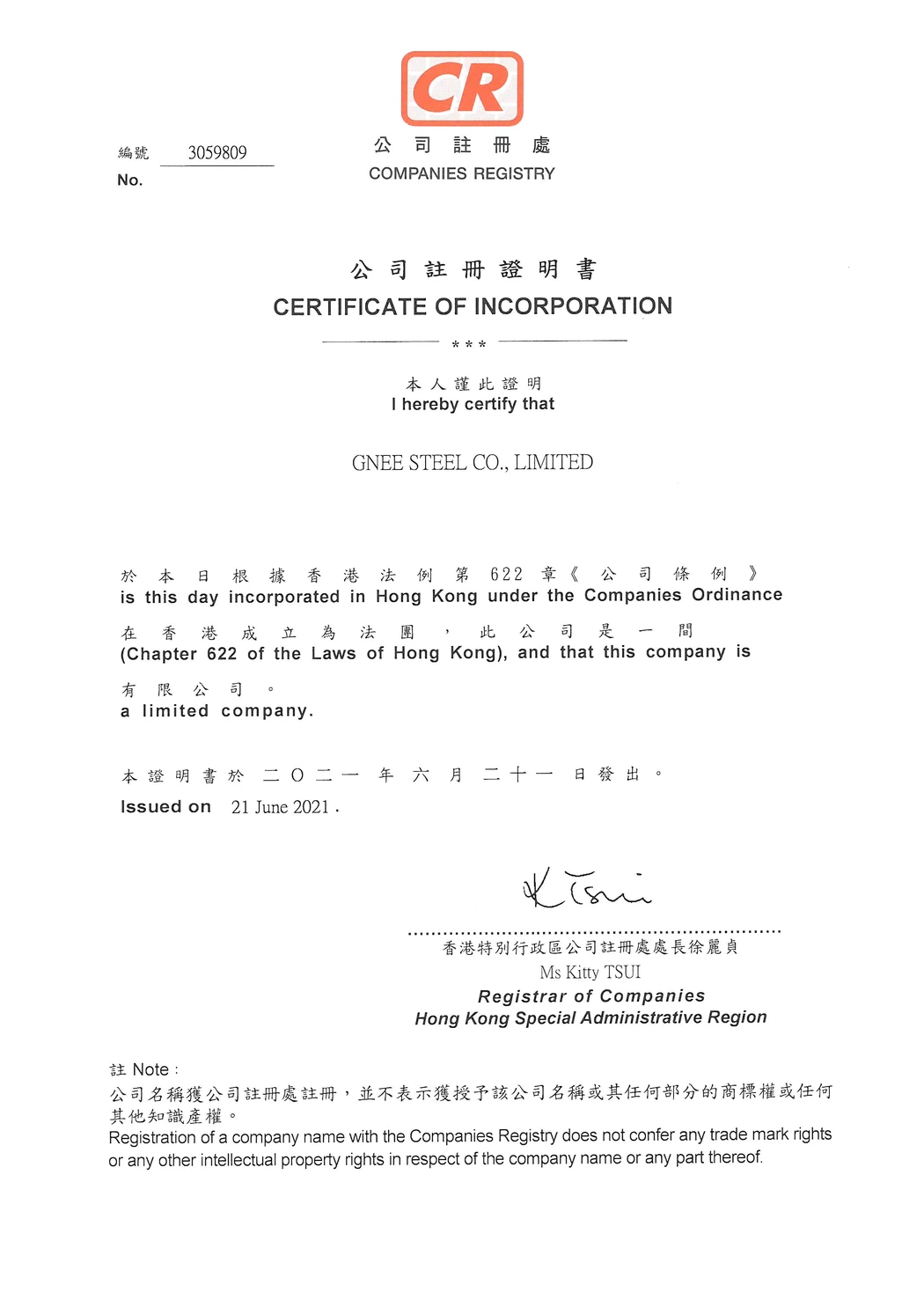
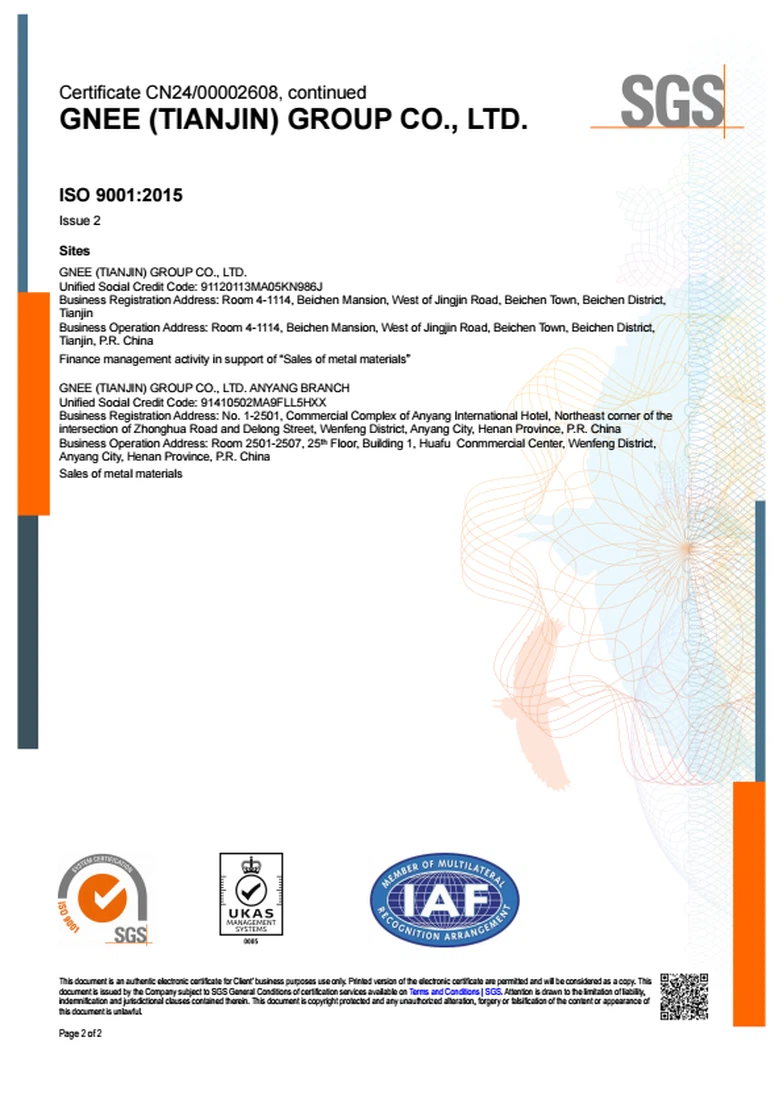
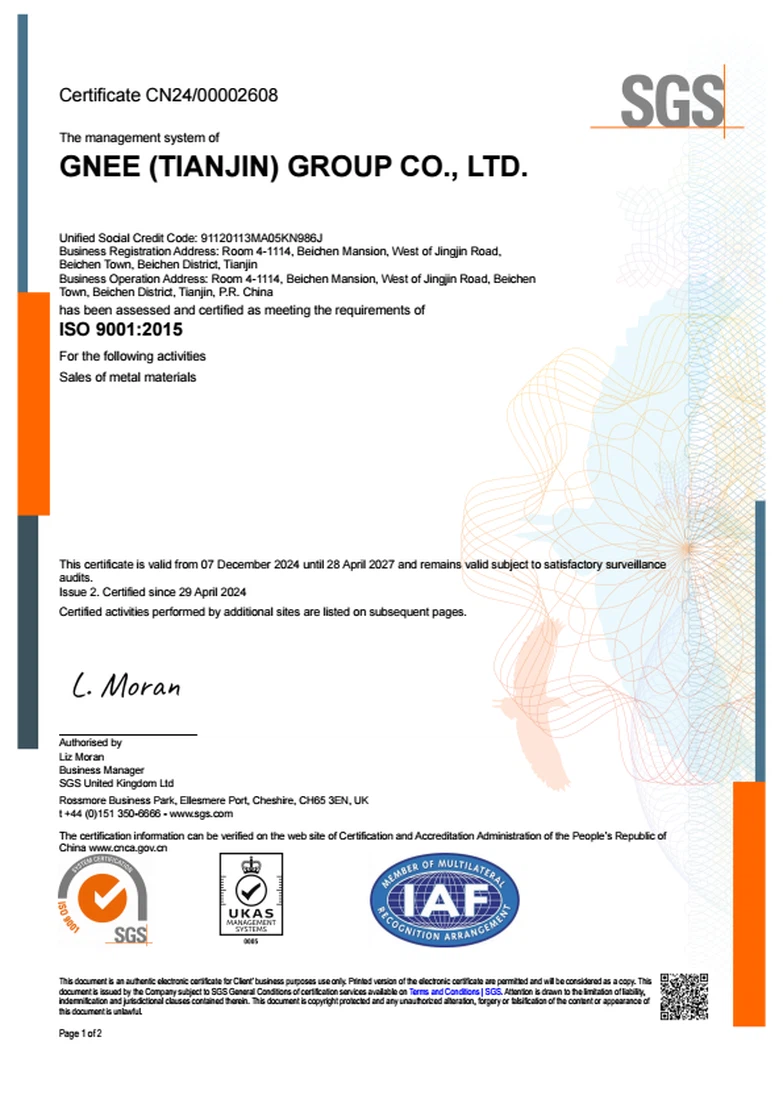
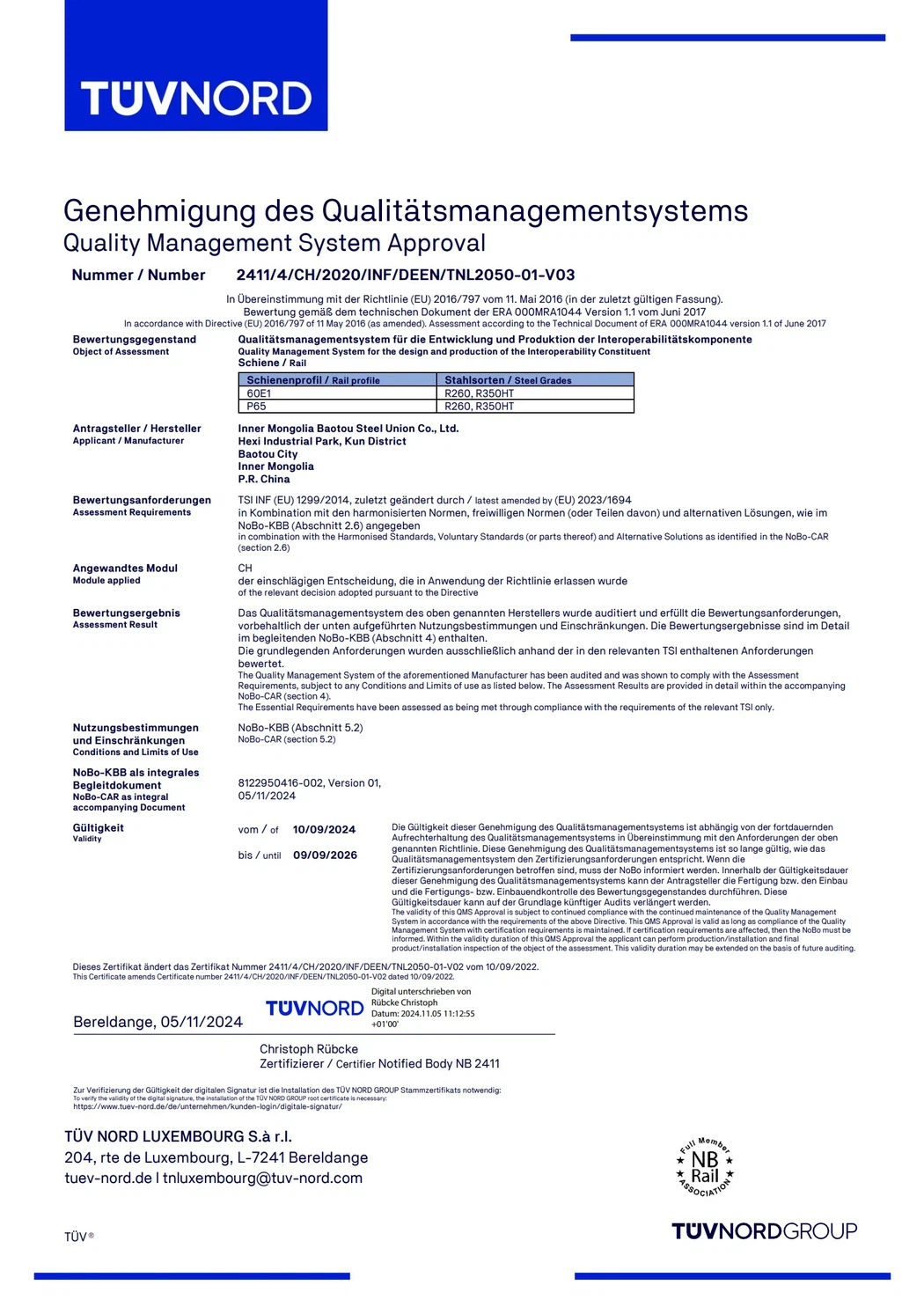
Mill Test Certificate / inspection documentation
Packing And Export Shipment
Export orders can be planned around:
• Rail length
• Bundle size
• Total quantity
• Container loading requirements
• Destination port
• Loading method
• Required delivery schedule

FAQ
As one of the most professional light rail manufacturers and suppliers in China, our products have good reputation in the market. We warmly welcome you to buy premium light rail for sale here from our factory. All customized products are with high quality and competitive price.